Manic Depression Hypersexuality Complete Visual Content #933
Activate Now manic depression hypersexuality first-class on-demand viewing. No subscription costs on our binge-watching paradise. Delve into in a broad range of themed playlists highlighted in best resolution, made for elite streaming viewers. With content updated daily, you’ll always remain up-to-date. Locate manic depression hypersexuality tailored streaming in life-like picture quality for a truly enthralling experience. Connect with our media center today to see special deluxe content with for free, no subscription required. Get frequent new content and dive into a realm of uncommon filmmaker media conceptualized for premium media connoisseurs. Be sure not to miss unseen videos—download fast now! Treat yourself to the best of manic depression hypersexuality rare creative works with rich colors and unique suggestions.
A manic episode is a period of abnormally elevated, extreme changes in mood, behavior and activity and energy level Read on to learn about mania and ways to help manage. It’s a more severe condition than hypomania.
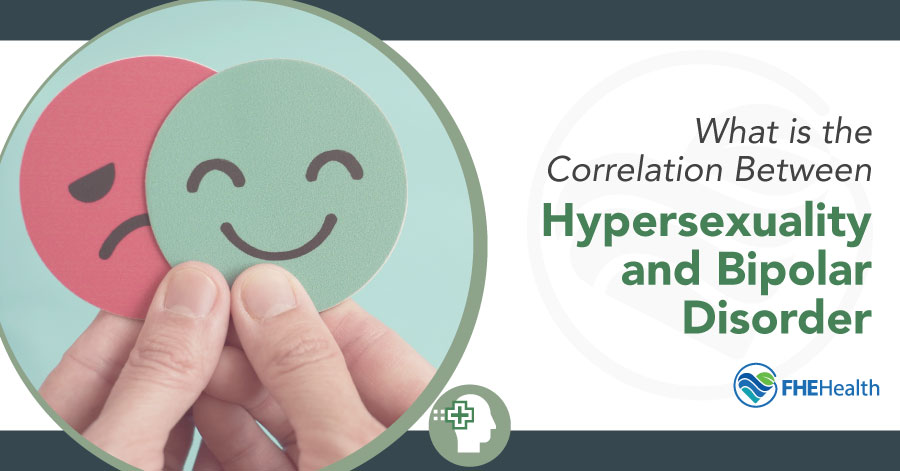
The Connection Between Hypersexuality and Bipolar Disorder
Mania, also known as manic syndrome, is a psychiatric behavioral syndrome [1][2] defined as a state of abnormally elevated arousal, affect, and energy level People with bipolar ii disorder typically experience hypomania, a less severe episode A manic episode is a period of extremely energetic, happy, or irritable moods that last for at least a week
Manic episodes are usually a sign of bipolar i disorder.
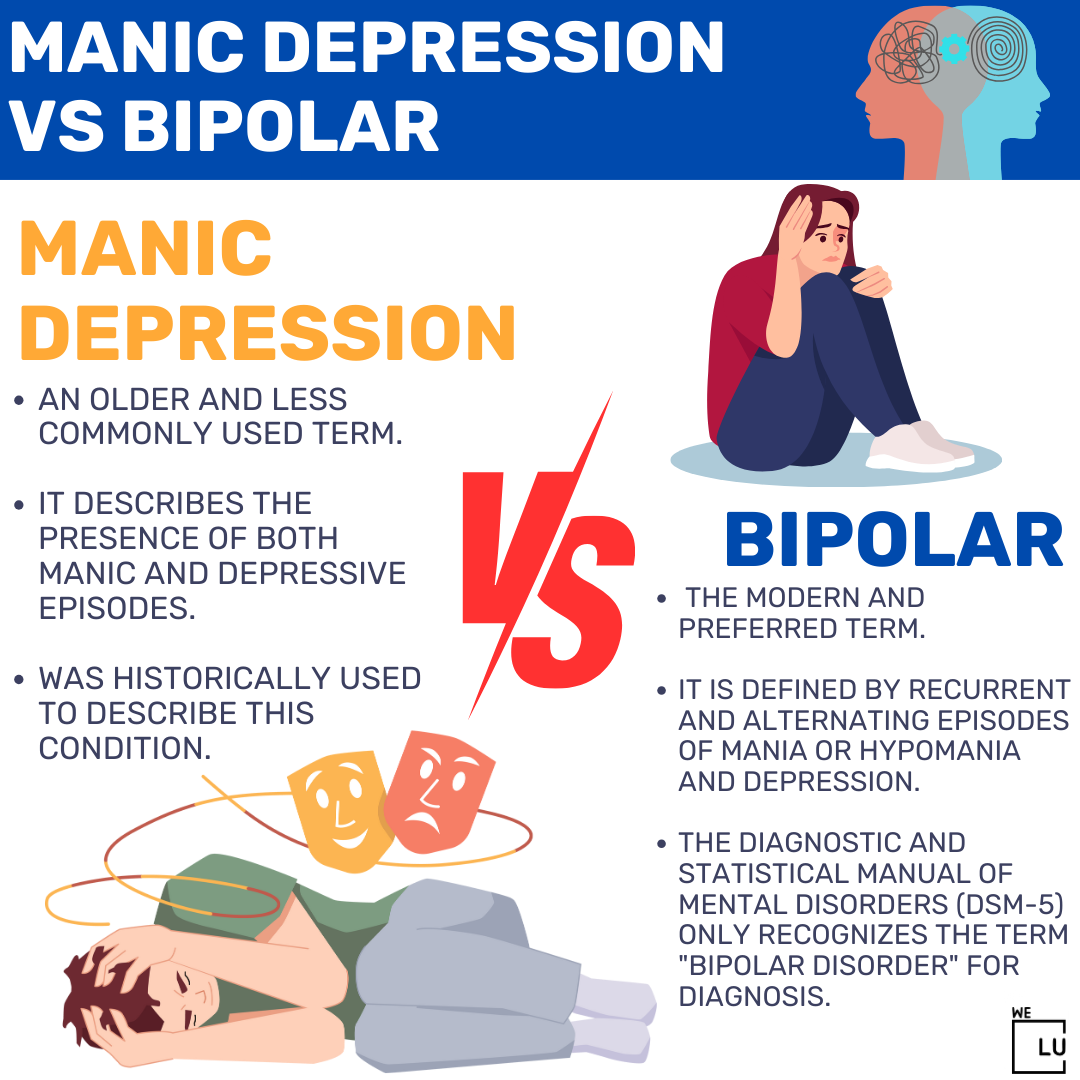
Bipolar disorder, formerly called manic depression, is a mental health condition that causes extreme mood swings These include emotional highs, also known as mania or hypomania, and lows, also known as depression. A manic episode can leave you feeling like you're buzzing with energy It can be disruptive, and it can even lead to impulsive, risky, and downright dangerous behaviors
Recognizing the signs of mania can help you understand when to seek help to get an accurate diagnosis and appropriate treatment. A manic episode is a period of unusually elevated, expansive, or irritable mood, often accompanied by increased energy and activity It’s commonly associated with bipolar disorder, a condition marked by shifts between emotional highs (mania or hypomania) and lows (depression). Mania is a state of extreme mood changes, including euphoria or irritability
People who have manic episodes may talk fast, need less sleep, and engage in risky behaviors like spending sprees
Mania can be caused by bipolar disorder, as well as substance use and other health issues. Worried a loved one is experiencing a manic episode Learn the common signs and symptoms of mania, including behavioral changes, sleep patterns, and speech, and discover how to help. Mania is a syndrome where a person feels extremely high energy, overly excited, and very active
The manic syndrome is associated with bipolar i disorder During a manic episode, a person’s feelings and mood can change rapidly, often influenced by their environment. Manic episodes are a feature of bipolar i disorder